



Do you ever feel like you’re throwing money at your marketing budget without seeing a return? With so many digital channels available, it’s easy to burn through resources on advertising, content creation, and social media without seeing a corresponding lift in revenue.
For B2B leaders, the pressure to prove ROI is constant. You need a system that doesn't just generate noise, but actually drives predictable growth. This is where the conversation often turns to inbound marketing.
But is inbound marketing a universal fix? No. It is a specific methodology that works exceptionally well for some business models and poorly for others. Before you commit to a strategic shift, you need to assess if your organization has the right DNA for an inbound approach.
Understanding the Modern B2B Buyer
To decide if inbound is right for you, you first have to look at how your customers buy. The traditional playbook—cold calling, mass emailing, and interruptive advertising—relies on the seller controlling the information. Today, the buyer is in control.
Most B2B buyers complete a significant portion of their research before they ever speak to a salesperson. They are searching for answers, comparing solutions, and reading reviews. If your company isn't providing the answers they find during that research phase, you aren't just missing a lead; you're invisible.
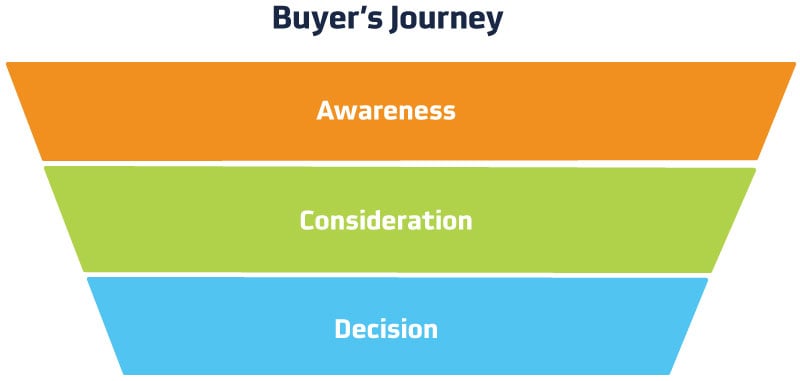
Inbound marketing is the process of aligning your content and sales approach with this reality. It attracts customers by solving their problems before they buy, engaging them with helpful insights, and delighting them so they become promoters of your brand. This alignment is often mapped to the Buyer's Journey.
The Inbound Fit Framework: 3 Signs It’s Right for You
Not every B2B company needs a full-scale inbound engine. If you sell a low-cost commodity that requires zero education to purchase, inbound might be overkill. However, if your business meets the following criteria, an inbound strategy is likely your best path to sustainable growth.
1. You Have a Consultative Sales Process
If your sales team spends time educating prospects, diagnosing problems, and prescribing complex solutions, you are already doing "inbound" offline. An inbound digital strategy simply scales that consultative approach. It takes the answers your best salespeople give one-on-one and publishes them for thousands to find online.
2. Your Average Contract Value (ACV) is High
Inbound marketing requires an investment in content, technology, and strategy. For this math to work, a single customer needs to be worth a significant amount. If your ACV is high (or your Customer Lifetime Value is significant), the cost of acquiring a customer (CAC) through inbound is easily justified by the long-term revenue.
3. You Have Deep Subject Matter Expertise
Inbound relies on authority. To attract high-quality leads, you must be able to teach them something they don't know. Manufacturing firms, B2B service providers, and technology companies are often perfect candidates because they possess deep technical knowledge that their buyers crave.
Inbound vs. Outbound: It’s Not Either/Or
A common misconception is that you must choose between inbound (attracting) and outbound (hunting). In reality, the most successful B2B growth engines use both.
Outbound (ads, direct outreach) is effective for generating immediate awareness and quick wins. It captures demand that already exists.
Inbound (content, SEO, automation) builds long-term equity. It creates demand and nurtures relationships over time.
Think of outbound as renting attention and inbound as owning it. When you stop paying for ads, the leads stop. When you build an inbound foundation, your content continues to generate traffic and leads for years.
The Investment Reality: What It Actually Takes
We believe in being straightforward about the commitment required. Inbound is not a quick fix. It is a flywheel that takes time to spin up.
To succeed, you need:
- A Culture of Content: Your subject matter experts must be willing to share their knowledge.
- The Right Technology: You need a platform to capture leads, manage data, and automate nurturing. This is why many growth-focused companies leverage the HubSpot platform to centralize their operations.
- Patience: While you can see early indicators of success in months, the compounding ROI of inbound marketing typically matures over 12-24 months.
Making the Strategic Decision
If your B2B company is struggling with unpredictable lead flow, long sales cycles that stall out, or a reliance on "rented" attention, it is time to evaluate an inbound strategy. The goal isn't just to blog more; it's to build a system that attracts your best-fit customers and helps them buy.
If you are ready to stop guessing and start building a predictable growth engine, we can help you map out what that looks like for your specific industry.

Ready to explore your growth potential?
We specialize in helping B2B organizations align their marketing, sales, and technology. Schedule a free consultation to discuss your goals, or learn more about our comprehensive inbound marketing growth program.
Related Insights
- B2B Marketing: How Your Website Can Convert More Visitors Into Leads
- How To Convert More B2B Website Visitors Into Customers
- 4 Inbound Marketing Tips That Will Grow Your Business
- How To Create An Effective Inbound Marketing Campaign Checklist