

How to Select a Digital Marketing Agency for Your Website Redesign
 Krista
|
Krista
|
Selecting a partner for a website redesign is one of the most critical decisions a marketing leader or business owner will make. This isn't just about applying a fresh coat of paint to your digital presence; it is about re-engineering your primary growth engine.
Hiring a digital agency for this task is similar to bringing on a key executive. You aren't just buying a product; you are entering a relationship that will directly impact your revenue, brand perception, and operational efficiency. Before you sign a contract, you need a framework to evaluate whether a potential partner can deliver not just a website, but a business asset.
Here is how to navigate the selection process with confidence.
The Shift from Vendor to Growth Partner
In the B2B space—whether you are in manufacturing, technology, or agribusiness—complexity is the norm. A "vendor" mindset looks for the lowest price to execute a predefined task. A "partner" mindset looks for a team that will challenge your assumptions, understand your sales cycle, and build a system that scales.
When evaluating agencies, your first step is to determine which category you need. If you simply need a brochure site with no integrations, a vendor might suffice. But if you need to align marketing, sales, and service around a better customer experience, you need a partner with integrated growth capabilities.
The 4 Pillars of a Right-Fit Agency
To filter through the noise, boil your needs down to these four non-negotiable criteria.
1. Technical Competence & Platform Expertise
Design is subjective; code is not. Your agency must have deep expertise in the platform you intend to use. For many B2B organizations, this means HubSpot or a similar robust CMS. Ask specifically about their certifications, their development process, and how they handle integrations with your CRM and ERP systems. A pretty site that breaks your data flow is a liability, not an asset.
2. Strategic Alignment
Does the agency understand your industry? A firm that specializes in B2C e-commerce may struggle to grasp the nuances of a complex B2B sales cycle or a dealer network. Look for a partner who asks about your revenue goals, lead quality, and customer lifetime value—not just your favorite colors.
3. Cultural Fit & Communication
This is often overlooked but vital. You will be working closely with this team for months, and likely years if the partnership succeeds.
- Communication Style: Do they speak your language, or do they hide behind jargon?
- Availability: Will you have a dedicated strategist, or will you be passed around a support queue?
- Values: Do they share your commitment to straightforward, honest work?
If an agency fires off a quote without taking the time to meet with you multiple times to diagnose your actual needs, they are treating you like a transaction. You deserve a partner who invests time in understanding your business before asking for your budget.
4. Proven Results
Don't just look at screenshots of homepages. Dig into the data. When reviewing client case studies, look for metrics that matter: increased lead volume, improved conversion rates, and better sales alignment. Ask for references and call them. Ask specifically: "Did they deliver on time? Did they solve problems proactively? Would you hire them again?"
Warning Signs of a Transactional Vendor
As you vet potential partners, keep an eye out for these red flags. They often indicate an agency that prioritizes volume over value.
The "Yes" Men: If an agency agrees to everything you say without pushing back or offering a better alternative, be wary. You are paying for their expertise, not just their labor. A true partner will tell you when an idea won't work.
The Black Box: If they cannot explain their process, their pricing structure, or how they measure success, run. Transparency is the foundation of trust.
The Generic Pitch: If their proposal looks like a template with your name pasted in, expect their work to be equally generic.
Evaluating Value Over Sticker Price
Cost is always a factor, but in the world of digital growth, "cheap" is often the most expensive option. A low-cost website that fails to generate leads or breaks down in six months costs you far more in lost revenue and remediation than a properly built system.
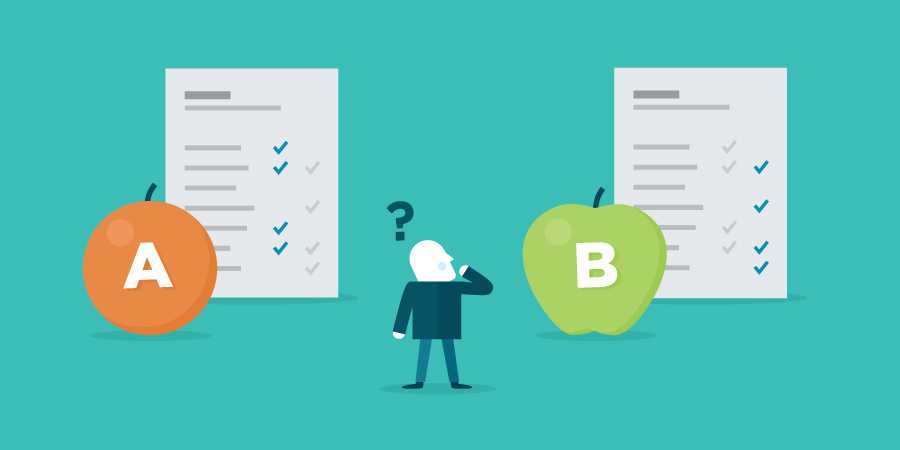
When comparing proposals, ensure you are comparing apples to apples.
Agency A might quote $15k for a template setup with no strategy.
Agency B might quote $40k for a custom build with SEO strategy, content migration, CRM integration, and training.
Agency A is an expense. Agency B is an investment. The clients who see the best results don't buy based on price; they buy based on value and long-term content strategy. A good digital agency will help you establish a budget that meets your needs and leaves room for future growth efforts.
Moving From Selection to Strategy
At the end of the day, data should drive your decision, but your gut plays a role too. Choose the agency that demonstrates the capability to execute and the character to be a trusted advisor.
By finding a company with the right fit, you ensure that your website redesign is not just a project to be finished, but the beginning of a partnership that drives predictable, scalable growth for years to come.
Continue Your Research
Subscribe to Our Blog
Stay up to date with the latest marketing, sales, and service tips.